
Anticancer 7-Day Diet Kickstart
Day 1: Anti-inflammatory Foods
Congratulations on beginning the Anticancer Lifestyle Program’s 7-Day Diet Kickstart! Today marks the start of an exciting adventure toward a healthier and more vibrant you. I’m thrilled that you joined this wellness journey. Learn more about what we’ll cover today in my video below:
Here’s what’s on the menu
for Day 1:

REVIEW
Inflammation is a process that is strongly influenced by lifestyle factors such as one’s diet. Inflammatory diets have been linked to numerous cancers, including colorectal, breast, head and neck, gynecological, prostate, esophageal, and others.
While there is no single definition of an anti-inflammatory diet, this dietary pattern differs markedly from the Standard American Diet (also called, appropriately, the “SAD” diet), which has been associated with inflammation.
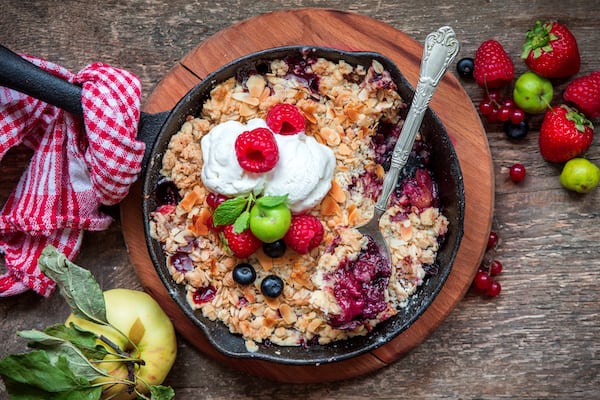
The SAD diet is typically high in animal protein (especially red and process meats), fried foods, sugar, and refined carbohydrates; and lower in fish, fruit and vegetable consumption.
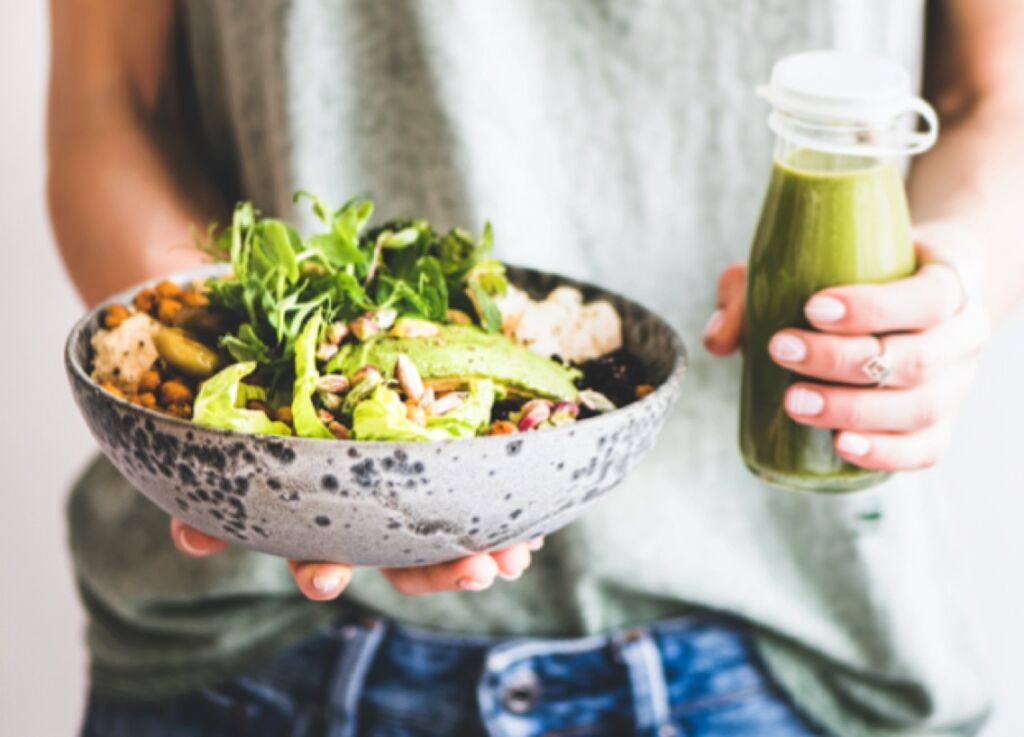
The Mediterranean Diet, in contrast, is considered to be an anti-inflammatory way of eating. It is high in fruits, vegetables, whole grains, legumes (e.g. beans, lentils, peas), nuts and seeds, herbs and spices, fish, olive oil, and moderate red wine intake. Anti-inflammatory diets are rich in Vitamins C and E (and other antioxidants), fiber, flavonoids, magnesium, carotenoids, omega 3 fatty acids, probiotics, and more.

REFLECT
 Reflect on your current eating habits. Looking at the Mediterranean versus the typical western diets, where do you think you can make positive, anti-inflammatory adjustments in your own diet?
Write down three ways you would like to improve your diet. It could be adding more fiber or vegetables, or decreasing sugar or animal protein, as examples.

REVIEW
Review these two lists: one list is of specific foods known to be anti-inflammatory, and the other are foods that are considered best to limit or avoid:
Anti-inflammatory Foods
The basics: Aim for organic and seasonal choices when possible. Eat more vegetables, fruits, whole grains, plant-based proteins and fats; drink mostly water; incorporate more herbs and spices.
Non-Starchy Vegetables & Mushrooms
- Dark Leafy Greens: Spinach, kale, lettuce (dark leaf lettuces such as red or green leaf lettuce), Swiss chard, collard greens, mustard greens, turnip greens, dandelion greens, etc.
- Cruciferous Vegetables: broccoli, bok choy, Brussels sprouts, cauliflower, turnips, cabbage, radishes.
- Allium Vegetables: Garlic, onion, leek, chives, shallots.
- Cooked Asian Mushrooms: Shiitake, maitake, enokidake, oyster.
Fruits
- Berries: Strawberries, blueberries, raspberries, blackberries.
- Other fruits: Red Grapes, cherries, apples, watermelon, kiwi, prunes.
Whole Grains
- Brown rice, buckwheat, farro, millet, rye, steel-cut oats, quinoa, wild rice, barley.
Soy, Fish, & Other Protein Sources
- Soy-Based Foods: Edamame, tofu, tempeh, soy milk made with whole soybeans
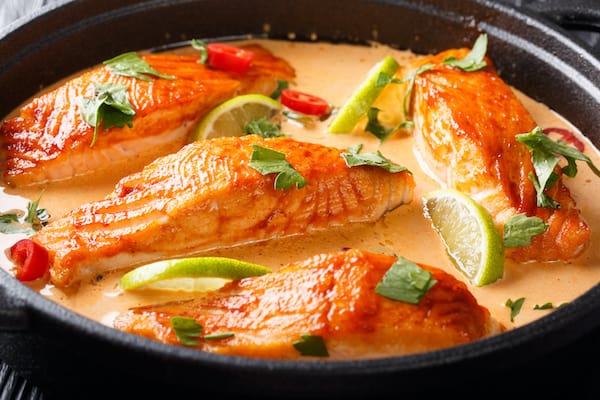
- Wild, Fatty Fish Rich in Omega-3: Salmon, sardines, lake trout, mackerel, halibut, herring
- Other Proteins: Beans and lentils; nuts, seeds, peas. Consume less frequently: sustainably sourced organic animal proteins (poultry, dairy products, eggs).
Oils and Other Fats
- Oils for Cooking: Extra virgin olive oil (low/no heat), avocado oil (high heat)
- Nuts and Seeds: Almonds, walnuts, pecans, chestnuts, pistachios, hazelnuts, ground flaxseeds, chia seeds, hemp seeds, pumpkin seeds, sunflower seeds.
Beverages
- Water, unsweetened organic teas (green tea, black tea, white tea, rooibos tea)
Herbs & Spices
- Turmeric (with black pepper and fat for absorption), ginger, parsley, cloves, cayenne, oregano, dried garlic, peppermint, star anise, celery seed, rosemary, curry powder, lemon verbena
Other
- Cocoa (≥70% cocoa), capers, seaweed
Foods to Limit or Avoid
Consider avoiding:
- Sugar-Sweetened Beverages: Sodas, juices, sweetened teas, energy drinks
- Processed Meats: Bacon, salami, bologna, pastrami, spam.
- Products Containing Hydrogenated Oils (Trans Fats): Look for hydrogenated oils in the ingredient lists of baked goods.
- Fried Foods: Fried chicken, fried vegetables.
- Conventionally Produced Animal Products: Eggs, poultry, beef, pork, lamb
- Farm-Raised Fish: These often have lower nutrients and beneficial fatty acids and higher levels of contaminants compared to wild-caught fish.
Consider Limiting:
- Animal Products: Especially red meats such as beef, pork, and lamb. This includes both conventional and organic sources.
- Oils High in Omega-6 Fats: Vegetable oil, corn oil, soybean oil, cottonseed oil, peanut oil.
- Refined Carbohydrates: White pasta, white rice, white bread, crackers made with white flour.
- Sugars and Syrups: Includes honey, maple syrup, agave, cane sugar, coconut sugar.
- Processed Foods: This category broadly includes fast foods.
- Meats Cooked at High Temperatures: When cooking meats such as grilled or broiled meats, consider using marinades, rubs, or homemade sauces and removing skin on poultry to reduce harmful compounds.
- Alcohol: Aim to avoid or significantly reduce alcohol intake. Excessive alcohol can increase inflammation and is recognized as a carcinogen, potentially increasing the risk of cancer.

IDENTIFY AND COMMIT
From the list of anti-inflammatory foods above, identify at least one anti-inflammatory food you will add to your diet for a defined period of time.
Aim to be specific and realistic. For example, “I will eat more dark leafy vegetables” is very vague. Instead, make it more specific, as in, “Starting this Monday I will add green leafy vegetables to 1 meal a day for 5 days each week over the next two weeks.”
Now, select one food from the “Eat Less” list that you can commit to eating less of for a specific period of time.
Again, remember to be specific. For example, instead of “I will drink mostly water this week,” you might commit to replacing one sugar-sweetened beverage with unsweetened green tea every day for the next two weeks.
Write down these commitments and put your note in a visible place (such as on your refrigerator).

Remember, every step you take toward a healthier lifestyle matters. Embrace this journey, and let’s make Day 1 a great start!
Tomorrow, we’ll delve into the art of Mindful Eating and discover how it can revolutionize your relationship with food. Stay tuned and check your inbox!
Bonus RESOURCES
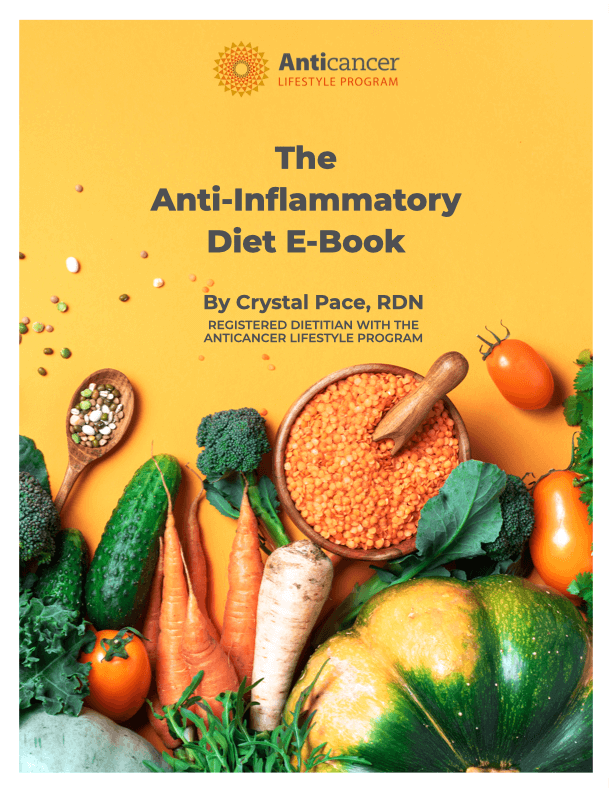
Anti-Inflammatory eBook
To learn more about the variety of delicious and nutritious anti-inflammatory foods, read the entire eBook or watch the Anti-inflammatory Diet webinar.
Diet Kickstart 7-Day Sample Menu
Need some inspiration to put these concepts into practice? We’ve created a complete 7-Day Sample Menu to take the guesswork out of meal planning. This guide is packed with delicious, easy-to-make recipes that feature the anti-inflammatory foods we discussed today.