
 Melanya Kushla
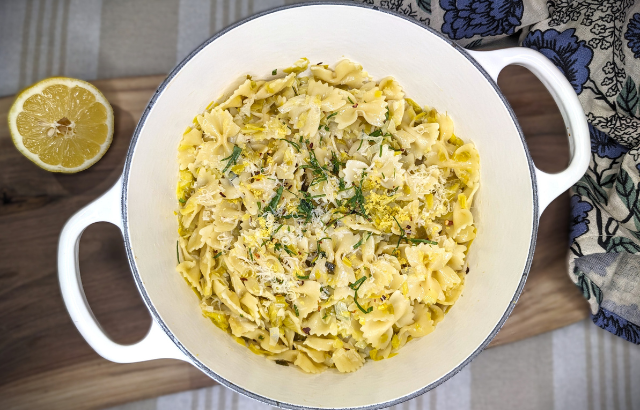
This leek and lemon miso pasta is a comforting, plant-forward dish rich in phytonutrients that support gut health and may help reduce cancer risk. Leeks are an under-rated champion of flavor and nutrients; with a soft onion-like flavor, leeks add a soft, yet robust savory base layer to any flavor profile along with a ton of insoluble and soluble fiber. The leeks and garlic also contain sulfur compounds linked to protective effects against certain cancers and the lemon adds a burst of vitamin C and brightness to the dish. Balanced with heart-healthy olive oil and an optional addition of beans, peas, or edamame as a robust plant-based protein, this recipe is both nourishing and highly adaptable. The decadence of this satisfying and savory dish belies its ease and simplicity, making plant-based eating a treat!
Leek & Lemon Miso Pasta
Recipe By: Melanya Kushla, MS, RD, CHES at Taste & Thrive
Yield: 4 servings
Serving Size: 1 ½ cups
Ingredients
- Half a box of whole grain or chickpea pasta, roughly 8oz dry
- 2 or 3 medium leeks, cut in half lengthwise, then thinly sliced across the grain
- 3 Tablespoons olive oil
- 2 garlic cloves, minced
- 1 Tablespoon white miso paste
- 1 lemon, zested and juiced
- ½ Tablespoon fresh herbs (basil, oregano, rosemary, parsley), minced
- ¼ teaspoon red pepper flakes, or fresh ground black pepper
- Optional: 2 Tablespoons freshly grated parmesan
Utensils
- Large pot
- Large bowl
- Colander
- Measuring cups and spoons
- Cutting board
- Chef knife
- Spatula or wooden spoon
Directions
-
Add a pot of water over high heat and allow it to come to a boil; add the dry pasta and cook according to package directions. While the pasta is cooking, prepare the leeks - they have numerous layers and need to be rinsed thoroughly to get all the bits of soil and debris out from between the layers.
-
Slice the leeks in half down the length, then thinly slice across the grain, starting from the white end until you get within 1-2 inches of the dark green tips.
-
Place the sliced leeks in a large bowl and fill ¾ with warm water. Using your fingers, gently agitate the leeks in the water for a few seconds, breaking up any “stuck together” segments you see. This separates the layers and the leeks will float, while the soil and debris sink. Set the bowl aside and allow them to sit, undisturbed, while you finish preparing the pasta, or about 5 minutes.
-
Once the pasta is cooked to your satisfaction, al dente, drain in a colander, reserving about ½ cup of the pasta-water.
-
Place the pot back on the stove over medium heat, and add the olive oil and garlic, stirring gently.
-
Drain the leeks and add to the pot, allowing them to cook and soften, about 10 minutes, stirring occasionally.
-
Once the leeks are reduced in volume by about ⅔, add in the miso paste, lemon juice, and pasta water, continue to cook and stir for 3-5 more minutes. If you are adding beans or peas, you may do so here.
-
Turn off the heat and add the cooked pasta back in, tossing gently to evenly coat the pasta with the vegetable-sauce.
-
Serve, topped with freshly grated lemon zest, parmesan, minced fresh herbs, and red or black pepper.
Notes
- This recipe works best with a shaped pasta, such as penne or farfalle, rather than a long, thin pasta.
- Toss in 2 cups of cooked peas, edamame, chickpeas, or cannellini beans for added protein.
- White miso paste is actually brown in color and is widely available at supermarkets, often coming in a little jar or pouch.
Nutrition Info (Per Serving)
395 calories – 10g fat – 1g sat fat – 68g carbohydrates – 12g protein – 8g fiber – 230mg sodium
Nutrient Highlights
- Whole grain pasta: High in protein and packed full of fiber to help promote healthy gut microbes to support a strong immune system and reduce inflammation. Whole grains have high antioxidant activity and promote satiety and appetite stability.
- Olive Oil: Rich in monounsaturated fatty acids that help reduce inflammation and lower the risk of heart disease, contributing to overall anti-inflammatory effects.
- Leeks: As an allium vegetable, leeks supply organosulfur compounds and polyphenols (e.g., quercetin) that may boost detoxification enzymes and reduce oxidative damage; observational studies associate higher allium intake with lower gastrointestinal cancer risk.
- Garlic: Highly aromatic and a potent source of antioxidants and other compounds that provide cancer protective effects. Also supports a healthy digestive and immune system due to its antimicrobial and anti-inflammatory properties.
- Lemon: A great source of vitamin C, a powerful antioxidant that supports immune function, collagen production, and iron absorption. Their polyphenol content may also have anti-inflammatory effects and support metabolic and digestive health.
- White Miso Paste: Contains fermented soy, which provides beneficial probiotics and compounds like isoflavones that may have protective effects against hormone-related cancers. Its fermentation process may also support gut health, an important factor in overall cancer prevention.
- Fresh Herbs: Packed full of antioxidants that help reduce oxidative stress in the body, including lutein, beta-carotene, and zeaxanthin. These are known not only to reduce the risk of cancer but can also prevent age-related macular degeneration and support liver health.