
 Melanya Kushla
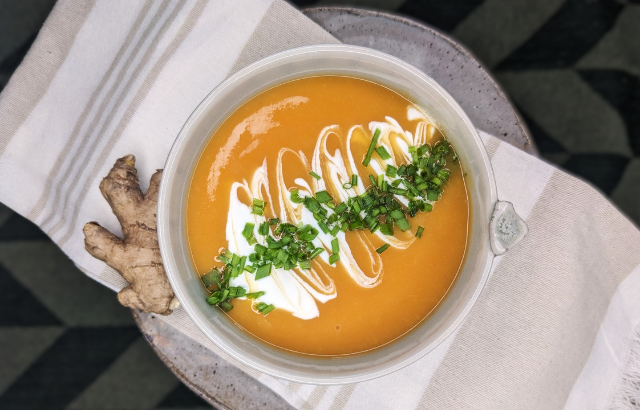
This vibrant Carrot Ginger & Turmeric Soup is packed full of plant compounds with potent antioxidants to support a cancer protective eating pattern. Carrots provide beta carotene and other carotenoids that help protect cells from oxidative damage, while turmeric and ginger supply bioactive compounds linked to reduced inflammation and improved immune response. Garlic and onion contribute sulfur-containing compounds that support detoxification pathways in the liver. Simple yet highly satisfying with its richy, earthy and slightly savoury-sweet flavor profile, this soup can be adjusted to suit your taste and be upgraded to a full meal with the addition of protein such as coconut Greek yogurt, tofu, or lentils, making it an easy, nourishing base that fits a wide range of meals and flavor preferences.
Turmeric, Ginger & Carrot Soup with Coconut Milk
Recipe By: Melanya Kushla, MS, RD, CHES at Taste & Thrive
Yield: 6 servings
Serving Size: 1.5 cups
Ingredients
-
2 Tablespoons olive oil
-
1 cup onion, diced
-
2” knob of fresh turmeric, thinly sliced
-
2” knob of fresh ginger root, thinly sliced
-
4 garlic cloves, peeled and chopped
-
1 quart unsalted vegetable broth
-
4 cups carrots, peeled and thinly sliced
-
½ teaspoon salt
-
¼ teaspoon pepper
-
½ cup light coconut milk
- 2 teaspoons apple cider vinegar
- 1 teaspoon maple syrup, more to taste
- Optional: Pinch of cayenne or red pepper flakes, if heat is desired
Utensils
-
Chef's knife
-
Cutting board
-
Measuring cups & spoons
-
Medium pot or dutch oven with a lid
-
Wooden spoon
-
Blender
Directions
-
In a medium pot over medium heat, add the olive oil and onions.
-
Cook, stirring frequently, until softened and fragrant, about 8 minutes.
-
Lower the heat to medium, add the turmeric, ginger, and garlic, then continue cooking for another 5 minutes.
-
Next, add the vegetable broth, carrots, salt, and pepper and turn the heat to high to bring to a boil.
-
Once it hits a boil, cover with a lid and turn the heat down to low, allowing it to simmer gently until the carrots are very tender, about 15 minutes.
-
Turn off the heat and allow it to cool slightly, then use a high-powered blender and puree until smooth and velvety - this can be done in a conventional stand blender by carefully ladling the soup into the blender; or, it can be done using an immersion blender within the soup pot.
-
Once blended, place the soup back in the pot over low heat and stir in the coconut milk, apple cider vinegar, maple syrup and optional cayenne or red pepper flakes for heat, as desired. Enjoy!
Notes
-
A tip to prepare the turmeric and ginger root: take the 2” knob of turmeric or ginger root and, using the edge of the small spoon, scrape the outer layer of skin off before slicing. A conventional peeler is not needed.
-
If fresh turmeric or ginger is not available, ground can be used; however, start with ½ teaspoon and add it with the broth instead, as it is much more intense in flavor than the fresh root.
-
In place of vegetable broth, 4 cups of water mixed with a bullion cube or 1 Tablespoon of soy sauce, miso paste, or mushroom powder would provide a similar umami profile.
-
If you do not have a blender, simply chop everything very finely before adding it to the soup - it won’t have the velvety texture but still makes a lovely, chunky soup!
- Leftovers can be stored in the refrigerator for up to 7 days, or the freezer for up to 12 months.
- For some added protein to make this a well-rounded meal, you can stir in some coconut Greek yogurt, silken tofu, or cooked lentils.
Nutrition Info (Per Serving)
205 calories – 13g fat – 8g sat fat – 22g carbohydrates – 4g protein – 6g fiber – 520 mg sodium
Nutrient Highlights
-
Olive Oil: An excellent source of monounsaturated fats, which reduce inflammation and lower the risk of heart disease. It’s rich in antioxidants, like vitamin E, and may improve brain health and cholesterol levels
-
Garlic & Onion: Contains the active compound allicin, which has been shown to lower blood pressure and cholesterol levels, reducing the risk of heart disease. It has potent antibacterial and antiviral properties, helping to fight infections, protect against cell damage and support the detoxification processes in the liver.
-
Turmeric: Contains curcumin, a potent antioxidant and anti-inflammatory compound that has been widely studied for its role in modulating pathways involved in cancer development. Curcumin may help reduce oxidative stress, support healthy immune responses, and inhibit processes linked to tumor growth.
-
Ginger: Contains bioactive compounds such as gingerols and shogaols that have antioxidant and anti-inflammatory effects relevant to cancer prevention. Research suggests these compounds may help reduce oxidative damage, support immune function, and interfere with pathways involved in cancer cell growth.
-
Carrots: Rich in beta-carotene and other carotenoids - antioxidants that help protect cells from oxidative damage and support immune function, associated with a lower risk of cancer.
-
Apple Cider Vinegar: Provides acetic acid and polyphenols that may help reduce oxidative stress and support metabolic health, both of which are important factors in cancer risk.
-
Maple Syrup: Contains small amounts of polyphenols with antioxidant properties, offering a more nutrient-dense sweetener alternative compared to refined sugar.
- Coconut Milk: contains medium chain triglycerides and small amounts of polyphenols that may support immune function and reduce inflammation when consumed in moderation. Its fat content also helps improve absorption of fat soluble antioxidants from vegetables and spices, enhancing the protective potential of plant rich meals.