
 Crystal Pace
Anti-Inflammatory Eating on a Budget
Eating an anti-inflammatory diet doesn’t mean you have to overhaul your budget—it just means looking at your pantry in a new light. Many budget-friendly staples, such as canned goods, dry food items, and frozen vegetables, are actually nutritional heroes disguised in humble packaging. These items offer the same protective compounds found in fresh foods but with a much longer shelf life and a lower price tag. Whether you are looking to stretch your dollar or simply minimize food waste, you can make an anti-inflammatory diet work for your wallet. Below, we’ll explore how to stock your kitchen with affordable powerhouses that maximize both nutrition and value.
Anti-Inflammatory, Budget-Friendly Protein Sources
-
Canned fish such as salmon, tuna, sardines, and anchovies: Be sure to choose canned fish that is labeled “low sodium” or “no salt added” and choose fish in water instead of oil. Also, be mindful that tuna is high in mercury, so limit your consumption of tuna and choose “canned light tuna” which often has less mercury than regular canned tuna. EWG’s Consumer Guide to Seafood is a great resource for finding healthy seafood recommendations.
-
Ideas for use: Add to sauces; top on pasta, rice, or vegetables; use as a topping for quesadillas, enchiladas, or pizza; use as the base to your tacos; add flavor and texture to soups and stews; cook into a vegetable stir-fry; pair in casseroles and sandwiches; add to a dip; put on top of whole grain crackers or bread for a high protein snack.
-
-
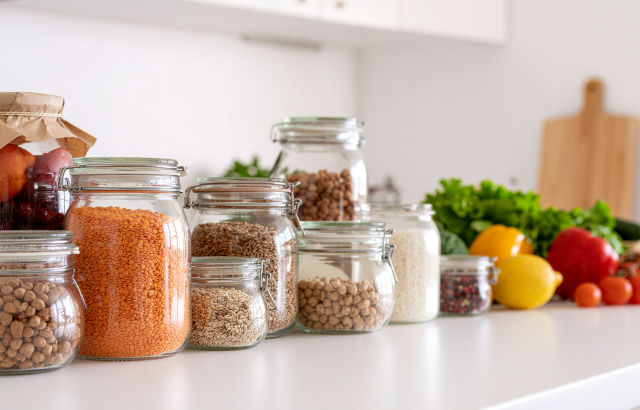
Beans (canned or dried): If you’re choosing canned beans be sure to choose beans that are labeled “low sodium” or “no salt added”. Avoid canned baked beans with added sugars.
-
-
Ideas for use: Add to soups, stews, casseroles, and chili; incorporate into salads or wraps; use as a filling for your enchiladas or quesadillas; puree and use as a dip with whole grain crackers or vegetables; roast in the oven for a crunchy snack; use to make bean burgers; or serve as a side with rice and veggies.
-
-
Lentils: Lentils are a nutrient-packed, budget-friendly plant-based protein.
-
-
Ideas for use: Add to soups, stews, and chili; use as a meat alternative in tacos or meatballs; add to salads; or make a plant-based burger patty using lentils.
-
-
Nutritional yeast: Provides a plant-based source of vitamin B12 and protein and offers a cheesy flavor without using cheese. A little goes a long way!
-
Ideas for use: Add to air-popped popcorn; sprinkle on cooked veggies and pasta; use as a cheese alternative; or mix into various dishes for a cheesy and nutty flavor.
-
-
Quinoa: Offers a high-fiber, plant-based protein option that can be more affordable when purchased in bulk.
-
-
Ideas for use: As a side dish; mixed in salads and wraps; as a warm breakfast cereal option (such as how you’d make oatmeal); incorporated into stir-frys, and more!
-
-
Nut butters: Be sure to purchase no-salt-added and no-sugar-added nut butters.
-
Can be used in a variety of ways, such as: a spread on whole grain bread or crackers; a dip for fruits (i.e. apples and bananas) or veggies (i.e. carrots and celery); added to stir fry sauces, yogurts, soups, smoothies, and/or stews; added to oatmeal for plant-based protein.
-
-
Nuts: Purchase nuts without added sugars and salt.
-
Ideas for use: Top on salads, yogurts, or hot breakfast cereal; enjoy ¼ cup or 1 handful of nuts as a snack; add to baked goods; add to smoothies; or use as a topping on baked chicken or fish.
-
-
Seeds: Use as an egg replacement in baking by adding 1 tablespoon of ground flaxseed to 3 tablespoons of very warm water; use as a topping on yogurt with fruit; add to baked goods; sprinkle on salads; or add to smoothies.
Other Budget-Friendly Anti-Inflammatory Kitchen Staples:
Frozen fruits and vegetables. Frozen fruits and vegetables are nutritious, convenient, and economical. You can also freeze fresh fruits and veggies when they’re in season.
*If you must use canned vegetables, be sure to use lower-sodium or no-salt- added versions and rinse and drain before using. It’s preferable to use frozen or fresh over canned, when possible.
*If you must use canned fruits, be sure to choose no-sugar-added, packed in their own juice instead of in canned light or heavy syrup. It is preferable to choose frozen or fresh fruits over canned fruits whenever possible.
A tip for purchasing canned tomatoes: Ideally, purchase tomatoes in glass jars (vs. canned) to reduce exposure to harmful chemicals found in the lining of canned food items. Acidic food products can cause chemicals in cans to be more likely to leech into the food item, so it’s best to buy acidic food items, such as tomatoes, in glass containers. Ideas for using jarred tomatoes: Use as a sauce for pasta, rice, or on vegetables; add to soups, stews, or casseroles; puree and flavor with garlic, pepper, and dried herbs for a pizza sauce; make tomato soup; or use as a marinade for fish or chicken after pureeing.
Unsweetened applesauce: Can be used in place of oil when baking (1 for 1 ratio) and top on top of cooked proteins, or enjoy as a nutrient-dense snack.
Jarred tomato sauce: Cooked tomatoes, including tomato sauce, offer nutritional benefits such as providing a source of lycopene, an antioxidant that is beneficial for reducing the risk of prostate cancer. When buying jarred tomato sauce consider the following tips: Purchase in glass jars vs. canned whenever possible, choose “low sodium” options and sauce with little to no added sugars (0 grams of added sugar is ideal).
Whole grain pasta: Whole grain pastas offer fiber and complex carbohydrates (such as whole wheat pasta or brown rice pasta) and can be used in a variety of ways, including: added to soups, casseroles, topped with protein and vegetables, as a base for lasagna, and more!
Whole grain rice such as brown rice and wild rice: High in fiber and complex carbohydrates to fuel the body, whole grain rice is a budget friendly option. It can be used in a variety of ways such as: Combine with beans and veggies for a meatless meal; use in recipes for soups, stews, and casseroles; make a rice pilaf; use it as a side dish with veggies and a protein such as fish, and more!
Starchy vegetables such as potatoes.
Oatmeal, buckwheat, and stone-ground corn grits: These nutrient-dense options can be purchased in bulk and used in a variety of ways:
-
Stone-ground corn grits: Contain the whole corn kernel and therefore, have more nutrition than the highly processed alternatives (such as instant grits which often do not use the whole corn kernel). You can pair corn grits with protein such as fish or chicken as a side dish, or make a hot breakfast cereal and top with fruit and warm spices such as cinnamon or nutmeg.
-
Oatmeal: Ideally choose old fashioned oats or steel cut oats versus instant oatmeal. If you do purchase instant oatmeal, be sure to purchase plain/unflavored to avoid excessive added sugars from flavored instant oatmeal. Consider cooking with water or milk and topping with fruit and nuts for a nutrient-dense meal, using baked goods such as muffins, pancakes, cookies, and/or bread, using it as a replacement for breadcrumbs, and making overnight oatmeal.
Tips When Grocery Shopping on a Budget:
-
Buy groceries when you are not hungry or in a rush to get home.
-
Stick to the grocery list. Making a list will help ensure that you do not buy items you don’t need.
-
Find and compare unit prices and stings on shelves to get the best price.
-
Consider buying store brands, which are often cheaper.
-
Purchase items in bulk or family packs, which may cost less.
-
Choose fresh fruits and vegetables that are in season, which typically cost less. You can find a list of what’s in season on the USDA Seasonal Produce Guide.
-
When you purchase fresh produce, purchase in their whole form as pre-cut and pre-washed produce tends to be more expensive.
-
Consider signing up for a store loyalty card if your grocery store offers loyalty cards. When you use such cards you may be able to get items at a lower price, along with special offers and coupons that non-members do not receive.
-
Use coupons and look for weekly sales.
-
Every dollar store has a weekly ad that you can find in stores and online to find deals on food items. Make a list of items you would like to purchase beforehand to save money while shopping.
-
Example Budget-Friendly Grocery List:
-
Oatmeal
-
Whole grain cereal
-
Peanut butter or sunflower seed butter
-
*Tip: Other nut butters such as almond butter and cashew butter are nutrient dense, however, tend to be significantly more expensive than peanut butter. Consider making your own nut and seed butters to save even more money by buying nuts like peanuts or almonds in bulk!
-
-
Tahini (made from ground sesame seeds)
-
Whole-grain bread, such as whole wheat bread
-
Plain Greek yogurt or regular yogurt in large containers
-
Eggs
-
Plant-based milk such as unsweetened almond milk or soy milk
-
Canned or dried beans (i.e. white beans, black beans, garbanzo beans)
-
Lentils
-
Brown rice
-
Whole-grain pasta
-
Whole-grain tortillas
-
Grits
-
Frozen vegetables such as frozen broccoli and spinach
-
Fresh budget-friendly veggies such as broccoli, cabbage, carrots, sweet potatoes, dark green leafy vegetables, and green peppers. These are vegetables that tend to cost less year-round.
-
Starchy vegetables such as potatoes, corn, green peas
-
Frozen fruits
-
Fresh fruits such as bananas, oranges, and apples
-
Dried fruits such as raisins (unsweetened dried fruits are preferred)
-
Canned low-sodium or no-salt-added salmon in water
-
Nuts and seeds
-
Reduced-sodium broths, such as vegetable broth (or make your own homemade broth!)
-
Oils such as canola oil or olive oil
-
Seasonings and spices: onion powder, garlic powder, italian seasoning, turmeric, pepper, paprika, etc.
-
Tomato sauce
-
Unsweetened teas: Consider buying tea in bulk and purchasing your own stainless steel tea steeper which can help save money over the long run when brewing tea.